

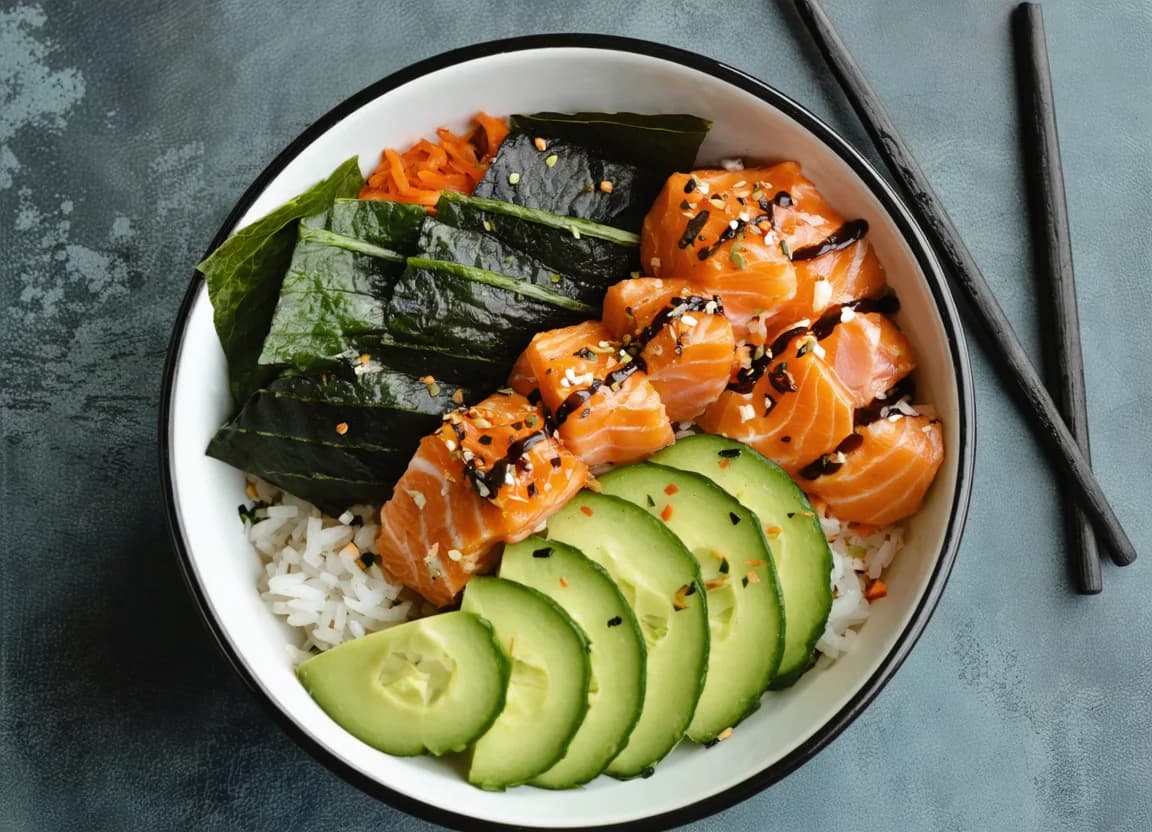
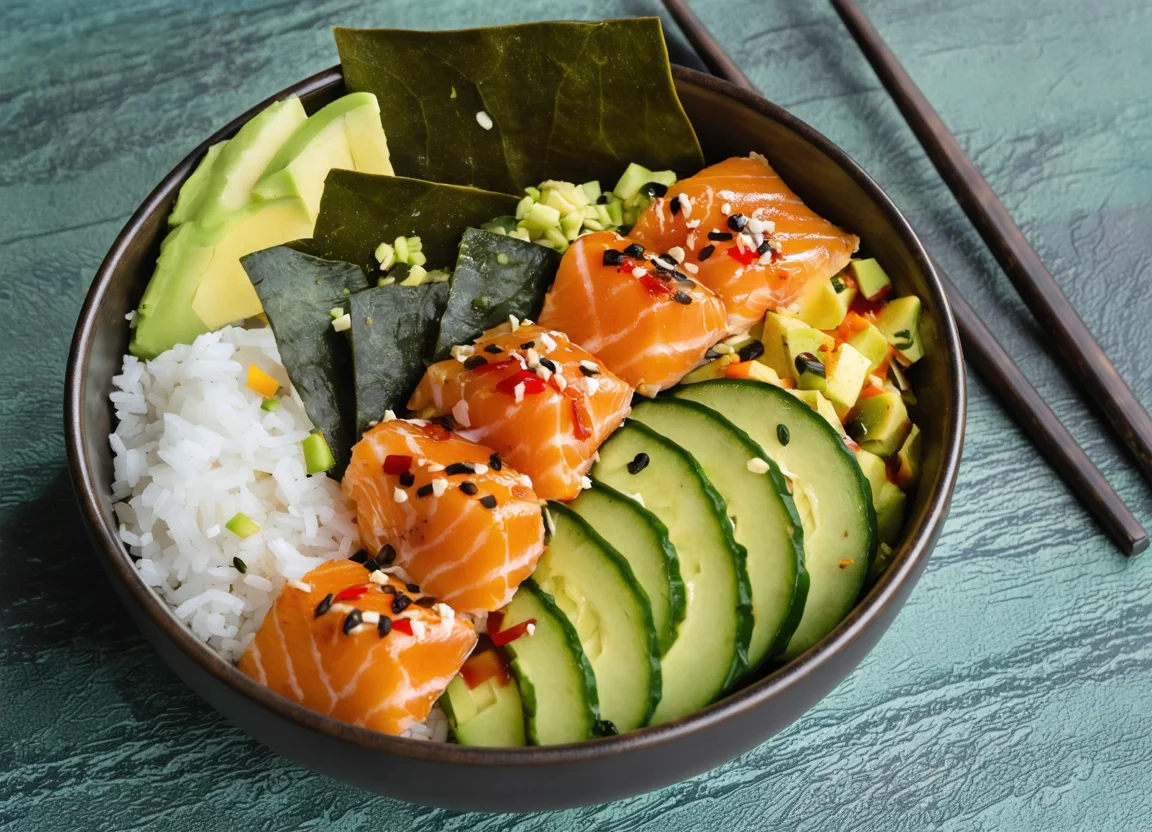
 Spicy Salmon Poke Bowl with Fresh Vegetables | recipesbybrad.comColorful spicy salmon poke bowl topped with fresh avocado, cucumber, and sesame seeds in a white bowl
Quick Overview
This vibrant Spicy Salmon Poke Bowl brings the authentic flavors of Hawaii straight to your kitchen in just 20 minutes. Fresh sushi-grade salmon gets tossed in a fiery sriracha-mayo blend, then paired with crisp vegetables and fluffy rice for a restaurant-quality meal at home. Perfect for busy weeknights when you crave something healthy yet satisfying, this bowl delivers bold flavors and complete nutrition in every bite. The combination of tender salmon, crunchy vegetables, and spicy sauce creates an irresistible harmony that will have you coming back for more.
Ingredient Breakdown
Each ingredient in this spicy salmon poke bowl plays a crucial role in creating the perfect balance of flavors and textures. From the star protein to the supporting cast of fresh vegetables, every component contributes to this delicious and nutritious meal.
Sushi-Grade Salmon (1 lb)
The foundation of any great poke bowl starts with high-quality, sushi-grade salmon. This fresh fish provides omega-3 fatty acids and protein while maintaining a buttery texture. Always purchase from a reputable fishmonger and ensure it’s labeled safe for raw consumption. The salmon should have a bright orange-pink color and firm texture.
Jasmine Rice (2 cups cooked)
Fluffy jasmine rice serves as the perfect base for this poke bowl, absorbing the delicious flavors from the spicy salmon and vegetables. Its subtle floral aroma complements the bold spices without competing. Cook the rice with a 1:1.5 ratio of rice to water for optimal texture and fluffiness.
Sriracha Sauce (3 tablespoons)
This iconic hot sauce brings the signature heat to our spicy salmon poke bowl. Sriracha’s perfect balance of chili peppers, garlic, and sweetness creates depth without overwhelming the delicate salmon flavor. Adjust the amount based on your heat preference for a customized spice level.
Japanese Mayonnaise (2 tablespoons)
Creamy Japanese mayo creates a rich, velvety sauce when combined with sriracha. Its slightly sweeter profile compared to regular mayonnaise perfectly complements the spicy elements while helping the sauce adhere to the salmon cubes. This creates the signature spicy mayo that defines great poke bowls.
Fresh Avocado (2 medium)
Ripe avocado adds creamy richness and healthy fats that balance the spicy salmon beautifully. Choose avocados that yield slightly to gentle pressure but aren’t mushy. The natural oils help cool the palate between bites of spicy salmon while providing essential nutrients and fiber.
English Cucumber (1 large)
Crisp cucumber provides refreshing crunch and helps cleanse the palate between spicy bites. Its high water content adds hydration while the mild flavor doesn’t compete with the salmon. Cut into uniform cubes for consistent texture and visual appeal in your poke bowl.
Sesame Seeds (2 tablespoons)
Toasted sesame seeds add nutty flavor and satisfying crunch to finish the bowl. They provide healthy fats, protein, and minerals while creating visual contrast against the colorful ingredients. Toast them lightly in a dry pan for enhanced flavor and aroma that elevates the entire dish.
Soy Sauce (1 tablespoon)
High-quality soy sauce adds umami depth and saltiness that enhances the salmon’s natural flavors. Use low-sodium versions if preferred to control salt levels. The fermented soybeans create complexity that ties all the Asian-inspired flavors together in this delicious poke bowl creation.
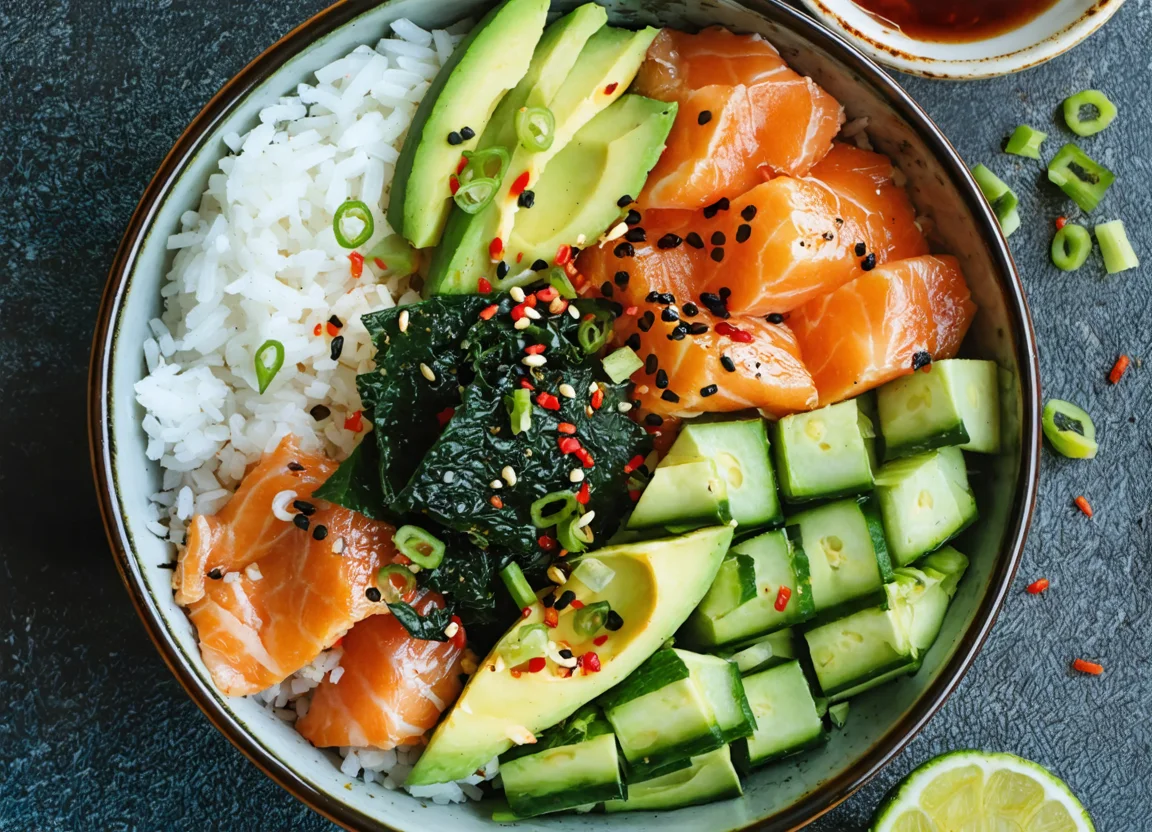
Step By Step Recipe: Spicy Salmon Poke Bowl
Follow these detailed steps to create the perfect spicy salmon poke bowl with restaurant-quality results. Each step builds upon the previous one to create layers of flavor and texture that make this dish truly special.
Step 1: Prepare the Rice Foundation
Start by cooking 1 cup of jasmine rice according to package directions, typically using a 1:1.5 ratio of rice to water. Bring water to a boil, add rice, then reduce heat to low and simmer covered for 18 minutes. Remove from heat and let stand 5 minutes before fluffing with a fork. The rice should be tender but not mushy, providing the perfect base for your spicy salmon poke bowl ingredients.
Step 2: Cube the Fresh Salmon
Using a sharp knife, carefully cut 1 pound of sushi-grade salmon into uniform ¾-inch cubes. Remove any skin or dark spots first, then slice against the grain for optimal texture. Keep the salmon refrigerated until ready to use, and work on a clean cutting board designated for raw fish. Uniform cubes ensure even coating with the spicy sauce and professional presentation in your finished bowl.
Step 3: Create the Spicy Mayo Sauce
In a medium mixing bowl, whisk together 3 tablespoons sriracha sauce, 2 tablespoons Japanese mayonnaise, and 1 tablespoon soy sauce until completely smooth. Taste and adjust spice levels by adding more sriracha for heat or mayo for creaminess. This signature sauce should coat the salmon evenly while providing the perfect balance of spicy, creamy, and umami flavors that define an authentic poke bowl.
Step 4: Marinate the Salmon
Add the cubed salmon to the spicy mayo sauce and gently fold together using a rubber spatula until each piece is evenly coated. Be careful not to overmix, which can break down the fish’s texture. Let the salmon marinate for 5-10 minutes in the refrigerator, allowing the flavors to penetrate while maintaining the fish’s firm texture and fresh taste.
Step 5: Prepare Fresh Vegetables
While the salmon marinates, dice 2 ripe avocados and 1 English cucumber into ½-inch pieces. Keep avocado pieces slightly larger to prevent them from becoming mushy when mixed. Pat cucumber dry with paper towels to remove excess moisture. Prepare any additional vegetables like shredded carrots or edamame if desired. Fresh vegetables provide essential crunch and nutrition to balance the rich salmon.
Step 6: Toast the Sesame Seeds
Heat a small dry skillet over medium heat and add 2 tablespoons sesame seeds. Toast for 2-3 minutes, stirring frequently, until they turn golden brown and fragrant. Watch carefully as they can burn quickly. Remove from heat immediately and transfer to a small bowl to cool. Toasted sesame seeds provide nutty flavor and textural contrast that elevates your spicy salmon poke bowl to restaurant quality.
Step 7: Assemble Your Poke Bowls
Divide the cooked rice between 4 serving bowls, creating a bed in each. Top with equal portions of the spicy salmon mixture, arranging it attractively on one side. Add diced avocado and cucumber in separate sections for visual appeal. Sprinkle toasted sesame seeds over the entire bowl and garnish with any additional toppings like sliced green onions or nori sheets for authentic presentation and enhanced flavor.
Serving and Storing Tips
Proper serving and storage techniques help maintain the freshness and quality of your spicy salmon poke bowl while maximizing both flavor and food safety. These professional tips ensure every bite tastes as good as the first.
Optimal Serving Temperature
Serve your spicy salmon poke bowl immediately after assembly at room temperature for the best flavor experience. The contrast between cool salmon and room-temperature rice creates perfect harmony. If you prefer chilled bowls, refrigerate assembled bowls for 15 minutes maximum before serving to maintain optimal texture and prevent the rice from becoming too cold and hard.
Fresh Assembly Strategy
For meal prep, store components separately and assemble just before eating. Keep marinated salmon refrigerated for up to 24 hours, rice for 3 days, and cut vegetables for 2 days. This approach maintains ingredient integrity and prevents soggy textures. Assemble individual portions as needed to preserve the bowl’s fresh appearance and optimal taste.
Safe Storage Guidelines
Raw salmon should be consumed within 24 hours of preparation for optimal safety and quality. Store marinated salmon in an airtight container in the coldest part of your refrigerator. Never leave assembled bowls at room temperature for more than 2 hours. If storing leftovers, consume within one day and never refreeze previously frozen salmon.
Presentation Enhancement
Serve in wide, shallow bowls to showcase the colorful ingredients beautifully. Arrange components in separate sections rather than mixing everything together, allowing diners to customize each bite. Provide chopsticks alongside forks for an authentic experience. Consider garnishing with pickled ginger or wasabi on the side for those who enjoy extra heat and traditional flavors.
Customization Options
Transform your basic spicy salmon poke bowl by adding complementary ingredients like crispy air-fryer salmon bites for texture contrast. Consider serving alongside other Asian-inspired dishes like spicy gochujang noodles for a complete meal. Vegetarian diners can enjoy similar flavors with our veggie chickpea power bowls that offer comparable nutrition and satisfaction.
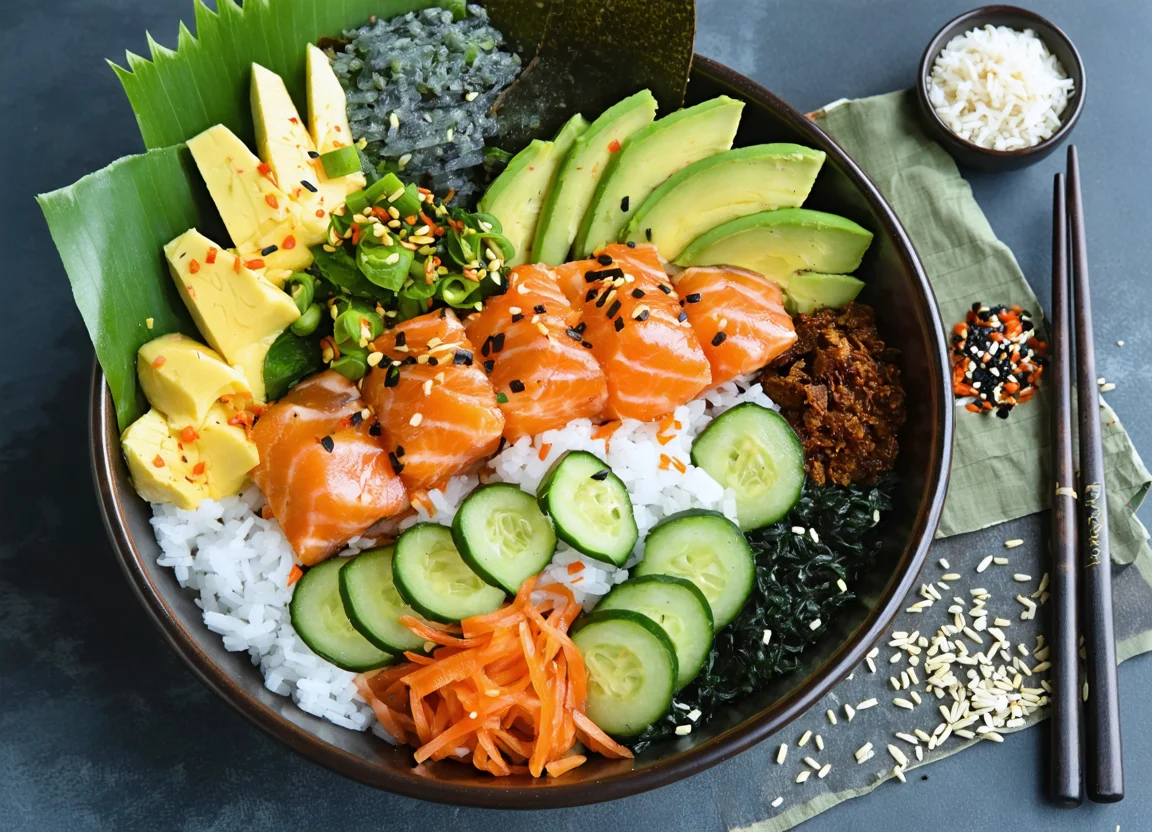
Mistakes to avoid
Creating the perfect spicy salmon poke bowl requires attention to detail. These common pitfalls can turn your delicious bowl into a disappointing meal.
Using Low-Quality Salmon
Never compromise on salmon quality for your poke bowl. Always purchase sushi-grade salmon from reputable fishmongers. Regular grocery store salmon isn’t safe for raw consumption and lacks the buttery texture needed. Fresh salmon should smell like ocean breeze, not fishy. The flesh should appear bright orange-pink with firm texture. Frozen salmon that’s been thawed multiple times develops mushy consistency and poses health risks. Invest in premium fish for the best spicy salmon poke bowl experience.
Over-marinating the Fish
Marinating salmon too long breaks down its delicate proteins, creating mushy texture. Limit marination to 15-30 minutes maximum for optimal results. Acidic ingredients like lime juice essentially “cook” the fish through denaturation. Extended exposure results in tough, rubbery salmon that ruins your poke bowl. The spicy marinade should complement, not overpower the fish’s natural flavor. Quick marination preserves the salmon’s silky texture while infusing just enough heat and flavor for your spicy salmon poke bowl.
Incorrect Rice Preparation
Poorly prepared rice ruins even the best spicy salmon poke bowl. Avoid using regular long-grain rice instead of short-grain sushi rice. Never skip rinsing rice until water runs clear, as excess starch creates gummy texture. Under-seasoning rice with rice vinegar mixture leaves it bland and unbalanced. Overcooked rice becomes mushy, while undercooked rice stays hard. Let rice cool to room temperature before serving to prevent wilting fresh toppings and maintain proper texture contrast in your bowl.
Tips and tricks
Master these professional techniques to create restaurant-quality spicy salmon poke bowls at home with confidence and flair.
Perfect Salmon Cutting Technique
Sharp knife skills make all the difference in poke bowl preparation. Use a very sharp, clean knife to cut salmon against the grain into uniform ¾-inch cubes. This size provides perfect bite-sized pieces that hold together well when mixed with spicy mayo. Keep your knife blade slightly angled while cutting to create clean edges that won’t tear the delicate fish. Wipe the blade between cuts to prevent sticking and maintain precision. Cold salmon cuts more easily, so keep it refrigerated until ready to prepare. Consistent cube sizes create professional presentation and even flavor distribution throughout your spicy salmon poke bowl. Practice this technique to achieve the perfect texture that makes each bite satisfying.
Building Balanced Flavor Layers
Creating depth in your spicy salmon poke bowl requires thoughtful layering of complementary flavors and textures. Start with properly seasoned sushi rice as your foundation, then add your marinated salmon. Include crunchy elements like cucumber, edamame, or crispy vegetables for textural contrast. Balance the heat from spicy mayo with cooling ingredients like avocado or pickled vegetables. Add umami depth with nori sheets, sesame seeds, or a drizzle of soy sauce. Fresh herbs like cilantro or green onions provide brightness that cuts through rich flavors. Consider temperature contrasts by keeping some ingredients chilled while others remain at room temperature. This thoughtful approach creates a harmonious bowl where every component supports the star ingredient.
Make-Ahead Preparation Strategy
Smart preparation saves time while maintaining quality in your spicy salmon poke bowl. Cook and season sushi rice up to two days ahead, storing it covered at room temperature. Prepare vegetables like cucumber, radish, and carrots the night before, keeping them crisp in cold water. Mix your spicy mayo sauce and store it refrigerated for up to one week. However, never marinate salmon more than 30 minutes before serving to maintain optimal texture. Prepare toppings like sliced avocado just before assembly to prevent browning. Keep ingredients separate until serving time to maintain distinct flavors and textures. This strategy allows you to assemble fresh, vibrant bowls quickly for weeknight dinners or entertaining guests. Proper timing creates the perfect balance of convenience and quality.
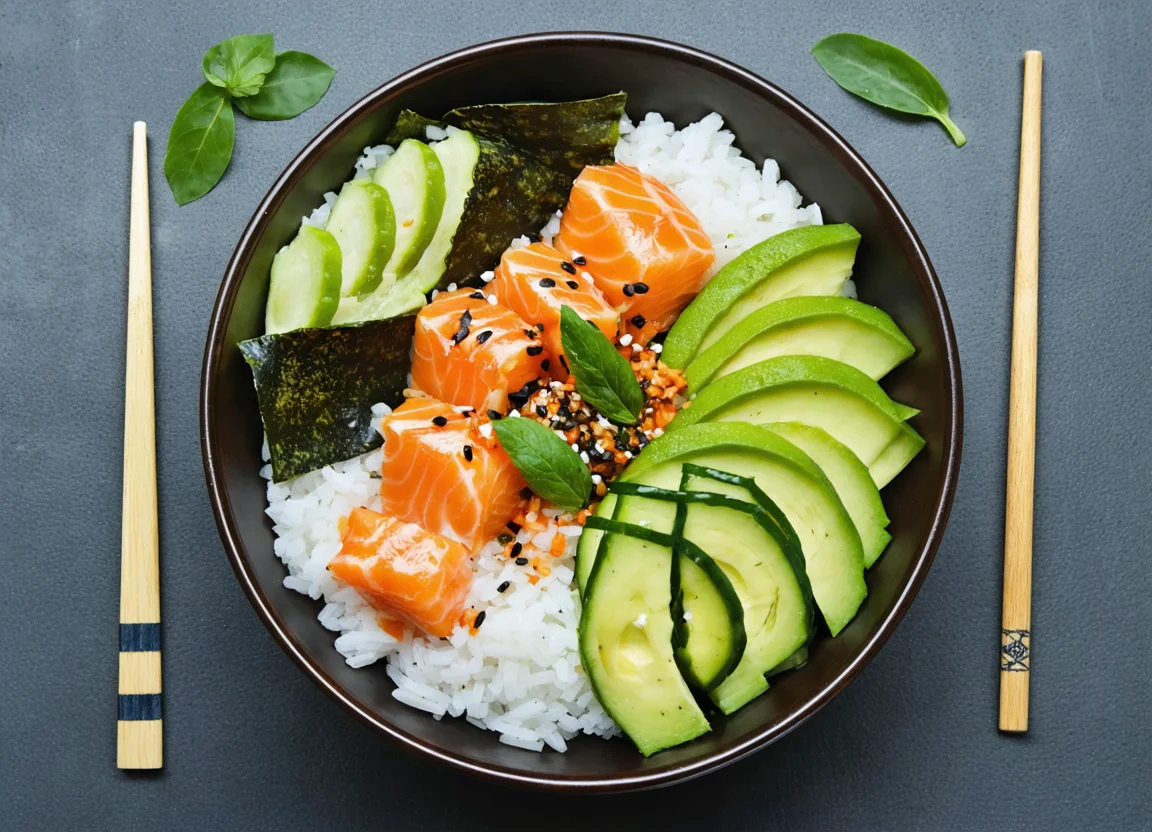
Suggestions for Spicy Salmon Poke Bowl
Transform your basic poke bowl into a gourmet experience with these creative variations and serving ideas that add excitement to every bite.
Asian Fusion Toppings
Elevate your spicy salmon poke bowl with authentic Asian ingredients that add complexity and visual appeal. Try crispy seaweed salad, pickled daikon radish, or fermented kimchi for tangy contrast. Sprinkle toasted sesame seeds, nori flakes, or crunchy tempura bits for textural interest. Add wasabi peas or spicy edamame for extra heat and protein. Fresh microgreens or shiso leaves provide herbal notes that complement the salmon beautifully. These additions create an authentic restaurant-style experience that transforms your home-cooked meal into something special and memorable.
Seasonal Vegetable Combinations
Incorporate seasonal produce to keep your spicy salmon poke bowl fresh and interesting year-round. Spring brings crisp snap peas and tender asparagus tips. Summer offers sweet corn kernels, cherry tomatoes, and fresh herbs. Fall provides roasted butternut squash cubes and thinly sliced apples for sweetness. Winter calls for pickled vegetables and hearty greens like massaged kale. These seasonal touches not only add nutritional value but also create visual appeal with varied colors and textures. Rotating ingredients keeps the dish exciting while supporting local agriculture and optimal flavor profiles throughout the year.
Protein and Grain Alternatives
Customize your poke bowl experience by experimenting with different proteins and base options. Try mixing salmon with cooked shrimp or crab for surf-and-turf variety. Substitute cauliflower rice for a low-carb option, or use quinoa for added protein and nutty flavor. Brown rice provides more fiber and earthier taste than traditional sushi rice. For vegetarian versions, replace salmon with marinated tofu or roasted chickpeas. These alternatives accommodate different dietary preferences while maintaining the satisfying bowl format that makes poke so appealing and versatile for various occasions.
FAQs
How spicy should a spicy salmon poke bowl be?
The heat level in a spicy salmon poke bowl should complement, not overpower the fish’s delicate flavor. Start with mild heat using sriracha or chili garlic sauce mixed into mayo. Gradually increase spice levels by adding fresh jalapeños, red pepper flakes, or spicy kimchi. The goal is creating warmth that builds slowly rather than immediate burning sensation. Most people prefer medium heat that provides gentle kick without masking the salmon’s buttery texture. Always taste and adjust spice levels according to your preference and tolerance.
Can I make poke bowls ahead of time?
Poke bowls are best assembled fresh, but components can be prepared ahead. Cook rice up to two days early and store at room temperature. Prepare vegetables and sauces the night before, keeping them refrigerated separately. However, never marinate raw salmon more than 30 minutes before serving to prevent texture degradation. Cut avocado just before assembly to prevent browning. Store prepared components in separate containers and assemble individual bowls when ready to eat. This approach maintains optimal freshness while allowing convenient meal prep for busy schedules.
What type of salmon works best for poke bowls?
Sushi-grade Atlantic or Pacific salmon provides the best quality for poke bowls. Look for fish labeled “sashimi-grade” or “sushi-grade” from reputable fishmongers. Fresh, never-frozen salmon offers superior texture and flavor, though properly frozen sushi-grade fish works well too. The salmon should appear bright orange-pink with firm flesh and ocean-fresh smell. Avoid regular grocery store salmon not designated for raw consumption. King salmon offers richest flavor and buttery texture, while sockeye provides leaner option with robust taste. Always purchase from trusted sources that follow proper handling protocols for raw fish safety.
How long does spicy salmon poke bowl stay fresh?
Assembled spicy salmon poke bowls should be consumed within 2 hours at room temperature or within 24 hours when refrigerated. Raw fish quality deteriorates quickly, especially when mixed with acidic marinades. The rice can become hard when chilled, so consider storing components separately and assembling fresh bowls as needed. Leftover marinated salmon should be eaten within one day for food safety. Vegetables and sauces typically last 2-3 days refrigerated. For best quality and safety, prepare only what you plan to eat immediately, particularly when serving to guests or children.
Summary
Creating the perfect spicy salmon poke bowl requires attention to quality ingredients, proper technique, and thoughtful assembly. Start with sushi-grade salmon, prepare perfectly seasoned rice, and balance flavors with complementary toppings. Avoid common mistakes like over-marinating fish or using poor-quality ingredients. Master cutting techniques and timing for optimal results. Experiment with seasonal vegetables and creative toppings to keep your bowls exciting. Remember that freshness is key – assemble bowls just before serving and store components separately when meal prepping. With these guidelines, you’ll create restaurant-quality spicy salmon poke bowls that satisfy both taste and visual appeal every time.
Spicy Salmon Poke Bowl
A vibrant Hawaiian-inspired bowl featuring fresh sushi-grade salmon, creamy avocado, and crisp vegetables over seasoned rice – everything that’s great about sushi in a nutrient-packed bowl.
Ingredients
- 1½ cups sushi rice or short-grain white rice
- 2 cups water
- 3 tablespoons rice vinegar
- 1 tablespoon granulated sugar
- 1 teaspoon salt
- 1 pound sushi-grade salmon, skin removed, cut into ¾-inch cubes
- 3 tablespoons soy sauce
- 2 tablespoons sriracha sauce
- 1 tablespoon sesame oil
- 1 tablespoon rice vinegar
- 1 teaspoon honey
- 2 ripe avocados, sliced
- 1 English cucumber, diced
- 1 cup shredded carrots
- 4 sheets nori (seaweed), cut into strips
- 2 tablespoons sesame seeds
- 4 green onions, thinly sliced
- ¼ cup spicy mayo (optional)
- Pickled ginger for serving
- Wasabi for serving
Instructions
- Rinse the sushi rice in cold water until water runs clear. Combine rice and water in a medium saucepan and bring to a boil. Reduce heat to low, cover, and simmer for 18-20 minutes until tender and water is absorbed.
- While rice cooks, whisk together 3 tablespoons rice vinegar, sugar, and salt in a small bowl until dissolved. When rice is done, transfer to a large bowl and gently fold in the vinegar mixture. Let cool to room temperature.
- In a medium bowl, whisk together soy sauce, sriracha, sesame oil, 1 tablespoon rice vinegar, and honey to create the spicy glaze.
- Add the cubed salmon to the spicy glaze and gently toss to coat. Let marinate for 10-15 minutes in the refrigerator.
- Prepare your vegetables: slice avocados, dice cucumber, shred carrots, cut nori into strips, and slice green onions.
- Toast sesame seeds in a dry skillet over medium heat for 2-3 minutes until golden and fragrant.
- To assemble bowls, divide the seasoned rice among 4 bowls. Top each with marinated salmon, avocado slices, cucumber, shredded carrots, and nori strips.
- Garnish with toasted sesame seeds and sliced green onions. Drizzle with spicy mayo if desired and serve with pickled ginger and wasabi on the side.
Tools You’ll Need
- Medium saucepan with lid
- Large mixing bowl
- Medium mixing bowl
- Small skillet
- Sharp knife
- Cutting board
- Whisk
- 4 serving bowls
Notes
- Always use sushi-grade salmon from a reputable fishmonger when serving raw fish. If unavailable, you can substitute with cooked salmon or other sushi-grade fish like tuna.
- For best results, let the seasoned rice cool completely before assembling bowls to prevent wilting the vegetables and fish.
- Customize your bowl with additional toppings like edamame, radish, mango, or jalapeño slices for extra flavor and nutrition.
- The marinated salmon can be prepared up to 2 hours ahead and stored in the refrigerator until ready to serve.
Allergy Information
- Contains: Fish, soy, sesame, eggs (if using spicy mayo)
- Optional Substitutions: Use tamari instead of soy sauce for gluten-free option; substitute cooked shrimp or tofu for salmon; use coconut aminos for soy-free version
Nutrition Facts (Per Serving)
- Calories: ~485 kcal
- Protein: 28g
- Carbohydrates: 52g
- Fat: 18g
- Fiber: 8g
- Sodium: 890mg