

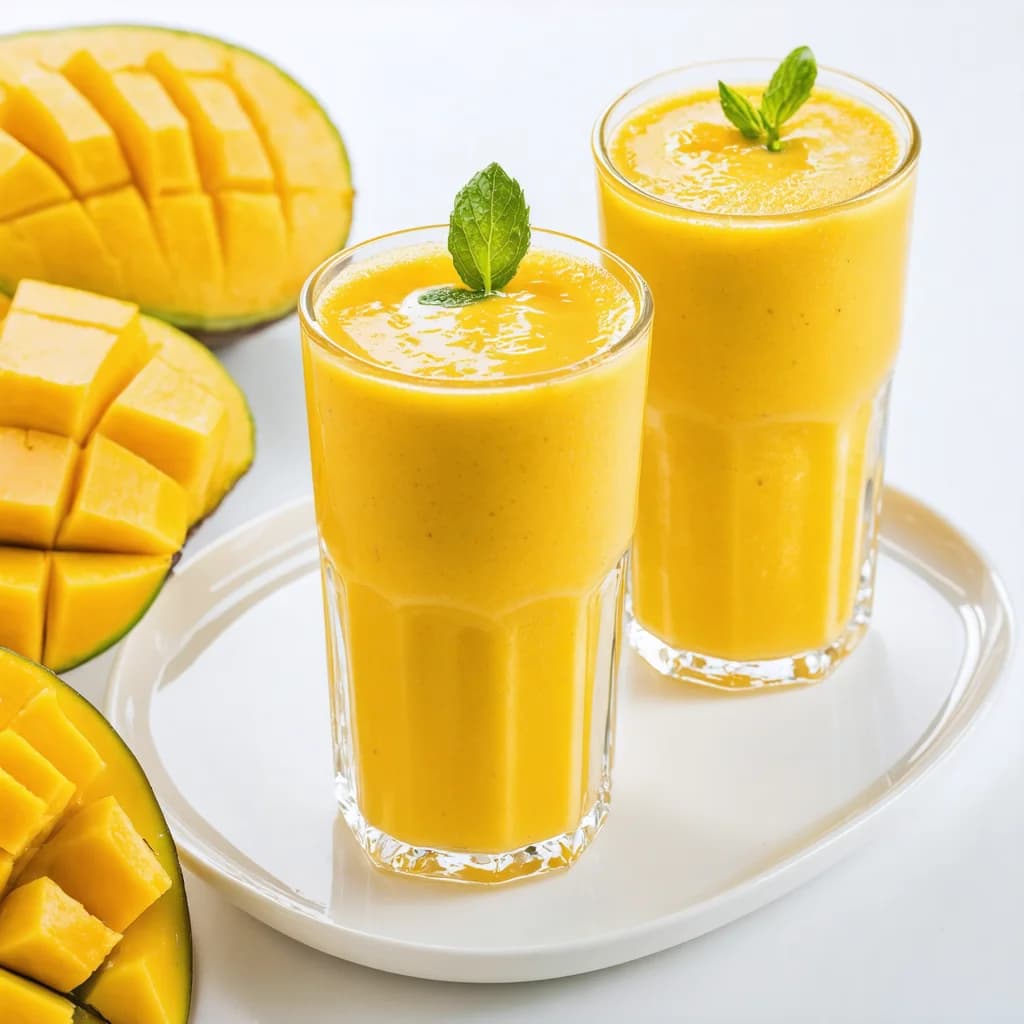
 Fresh Mango Smoothie in Glass with Tropical Fruits | recipesbybrad.comCreamy mango smoothie made with fresh mangoes, yogurt, and honey served in a tall glass with mango slices and mint garnish
Quick Overview
This refreshing mango smoothie brings tropical paradise right to your kitchen with its creamy texture and vibrant flavor. Made with ripe mangoes, creamy yogurt, and a touch of honey, this smoothie delivers the perfect balance of sweetness and nutrition. Whether you need a quick breakfast, post-workout fuel, or afternoon treat, this recipe transforms simple ingredients into a restaurant-quality beverage in just five minutes. The natural sweetness of mangoes pairs beautifully with tangy yogurt, creating a smooth and satisfying drink that both kids and adults will love. This versatile recipe works perfectly as a base for countless variations, making it an essential addition to your smoothie repertoire.
Ingredient Breakdown
Each ingredient in this mango smoothie recipe serves a specific purpose in creating the perfect texture and flavor profile. Fresh, ripe mangoes provide natural sweetness and tropical flavor, while yogurt adds creaminess and beneficial probiotics. The combination creates a nutritious drink that satisfies your taste buds and supports your health goals.
Fresh Ripe Mangoes (2 cups, diced)
Ripe mangoes form the heart of this smoothie, providing natural sweetness and vibrant tropical flavor. Choose mangoes that yield slightly to gentle pressure and have a fragrant aroma near the stem. Fresh mangoes offer more fiber and nutrients than frozen alternatives, creating a richer taste experience.
Plain Greek Yogurt (1 cup)
Greek yogurt adds protein and creates the signature creamy texture that makes this smoothie so satisfying. The tangy flavor balances the sweetness of mangoes perfectly. Greek yogurt contains probiotics that support digestive health, making this smoothie both delicious and nutritious for your daily routine.
Honey (2-3 tablespoons)
Natural honey provides additional sweetness while complementing the mango’s tropical notes. Raw honey offers antioxidants and enzymes that processed sugars lack. Adjust the amount based on your mango’s ripeness and personal sweetness preference for the perfect flavor balance.
Cold Milk (1/2 cup)
Cold milk helps achieve the ideal consistency for blending and drinking. Whole milk creates the creamiest texture, but you can substitute with almond, coconut, or oat milk for dietary preferences. The cold temperature ensures your smoothie stays refreshingly chilled throughout preparation.
Fresh Lime Juice (1 tablespoon)
A splash of lime juice brightens the overall flavor and prevents the mangoes from oxidizing. The citrus acidity balances the sweetness while adding a subtle tang that makes each sip more refreshing. Fresh lime juice works better than bottled for optimal taste.
Ice Cubes (1/2 cup)
Ice cubes create the perfect frosty texture and keep your smoothie refreshingly cold. They also help achieve the ideal thickness without diluting the flavor. Use filtered water ice for the cleanest taste, and adjust the amount based on your preferred consistency.
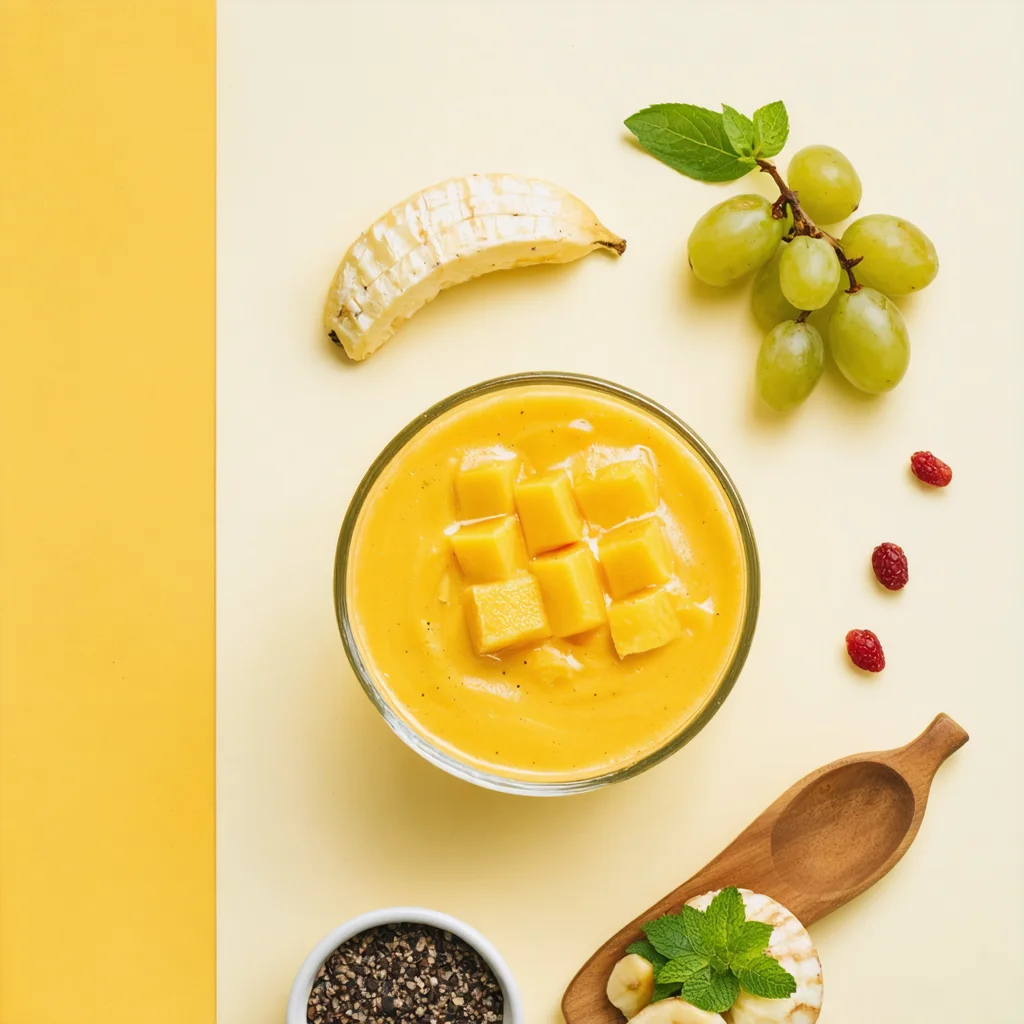
Step By Step Recipe: Mango Smoothie
Creating the perfect mango smoothie requires proper preparation and blending techniques to achieve a smooth, creamy texture. Follow these detailed steps to create a professional-quality smoothie that rivals your favorite smoothie shop. The key lies in layering ingredients correctly and blending at the right speed for optimal results.
Step 1: Prepare Your Mangoes
Begin by washing and peeling your ripe mangoes using a sharp knife. Cut the flesh away from the pit in large chunks, then dice into smaller pieces for easier blending. If your mangoes are very ripe and juicy, place the diced pieces on a plate and freeze for 10 minutes to prevent the smoothie from becoming too thin. This preparation step ensures your smoothie maintains the perfect consistency while maximizing the mango flavor in every sip.
Step 2: Layer Ingredients in Blender
Add ingredients to your blender in the correct order for optimal blending. Start with the liquid ingredients: pour in the cold milk and lime juice first. Next, add the Greek yogurt and honey, followed by the diced mangoes. Place ice cubes on top last, as this helps create a vortex that pulls other ingredients down toward the blades. This layering technique prevents ingredients from sticking to the sides and ensures even blending throughout the mixture.
Step 3: Blend on Low Speed First
Start blending on the lowest speed setting for 30 seconds to break down the larger pieces without creating air bubbles. This initial low-speed blending helps incorporate all ingredients evenly and prevents the mixture from splashing up the sides of the blender. Use the tamper if necessary to push ingredients toward the blades, but be careful not to hit the moving blades. This gentle start creates a better foundation for achieving the perfect smooth texture.
Step 4: Increase to High Speed
After the initial low-speed blend, increase to high speed and blend for 60-90 seconds until completely smooth and creamy. The mixture should have no visible chunks and should pour easily from the blender. If the consistency seems too thick, add milk one tablespoon at a time and blend briefly. For a thinner consistency, add more milk; for thicker texture, add more frozen mango pieces or ice cubes as needed.
Step 5: Taste and Adjust
Stop the blender and taste your mango smoothie using a clean spoon. Adjust sweetness by adding more honey if needed, or add lime juice for extra brightness. If the mango flavor needs intensifying, add a few more mango pieces and blend again. The perfect smoothie should balance sweetness, tartness, and creaminess. Remember that flavors will mellow slightly once chilled, so aim for slightly more intense flavors than your final preference.
Step 6: Serve Immediately
Pour your finished mango smoothie into chilled glasses for the best presentation and temperature. Garnish with fresh mango slices, a lime wedge, or mint leaves for an attractive finish. Serve immediately while the texture is at its peak creaminess. If you notice separation after a few minutes, simply stir gently with a straw or spoon to recombine the ingredients before enjoying your tropical creation.
Serving and Storing Tips
Proper serving and storage techniques help maintain your mango smoothie’s quality and flavor. These practical tips ensure you can enjoy your smoothie at its best, whether serving immediately or saving for later. Understanding how to store and serve smoothies properly makes this recipe even more convenient for busy lifestyles.
Best Serving Temperature
Serve your mango smoothie immediately after blending for the best texture and temperature. The ideal serving temperature is between 35-40°F, which maintains the creamy consistency while keeping it refreshingly cold. Pre-chill your glasses in the freezer for 10 minutes before serving to keep the smoothie at optimal temperature longer.
Garnish Ideas
Create an appealing presentation with fresh mango cubes, toasted coconut flakes, or mint sprigs as garnish. A lime wheel on the rim adds visual appeal and extra citrus aroma. For special occasions, drizzle honey around the inside of the glass before pouring the smoothie for an elegant touch that complements the tropical flavors.
Short-Term Storage
Store leftover mango smoothie in the refrigerator for up to 24 hours in an airtight container. Separation is natural, so stir well or blend briefly before drinking. For best results, fill containers to the top to minimize air exposure, which can affect flavor and color. Always taste before serving stored smoothies.
Freezing for Later
Pour smoothie into freezer-safe containers or ice cube trays for longer storage up to three months. Frozen smoothie cubes work perfectly for quick breakfast preparation – just blend with a splash of milk. Thaw frozen smoothie portions in the refrigerator overnight, then stir or blend briefly to restore the creamy texture.
Meal Pairing Suggestions
This mango smoothie pairs beautifully with light breakfast items like toast, granola, or overnight oats with fruits and nuts. For afternoon enjoyment, serve alongside fresh fruit or light pastries. The tropical flavors also complement spicy foods, making it a refreshing beverage choice for Mexican or Thai cuisine.
Consistency Adjustments
If your stored smoothie becomes too thick, add cold milk or coconut water one tablespoon at a time until reaching desired consistency. For smoothies that have become too thin, blend in frozen mango chunks or a few ice cubes. Always adjust gradually to avoid over-thinning or over-thickening your perfectly crafted smoothie.
Nutritional Boost Options
Transform your mango smoothie into a more substantial meal by adding protein powder, chia seeds, or spinach without significantly altering the tropical taste. These additions work well with other nutritious recipes like veggie chickpea power bowls for a complete healthy meal plan that supports your wellness goals throughout the day.
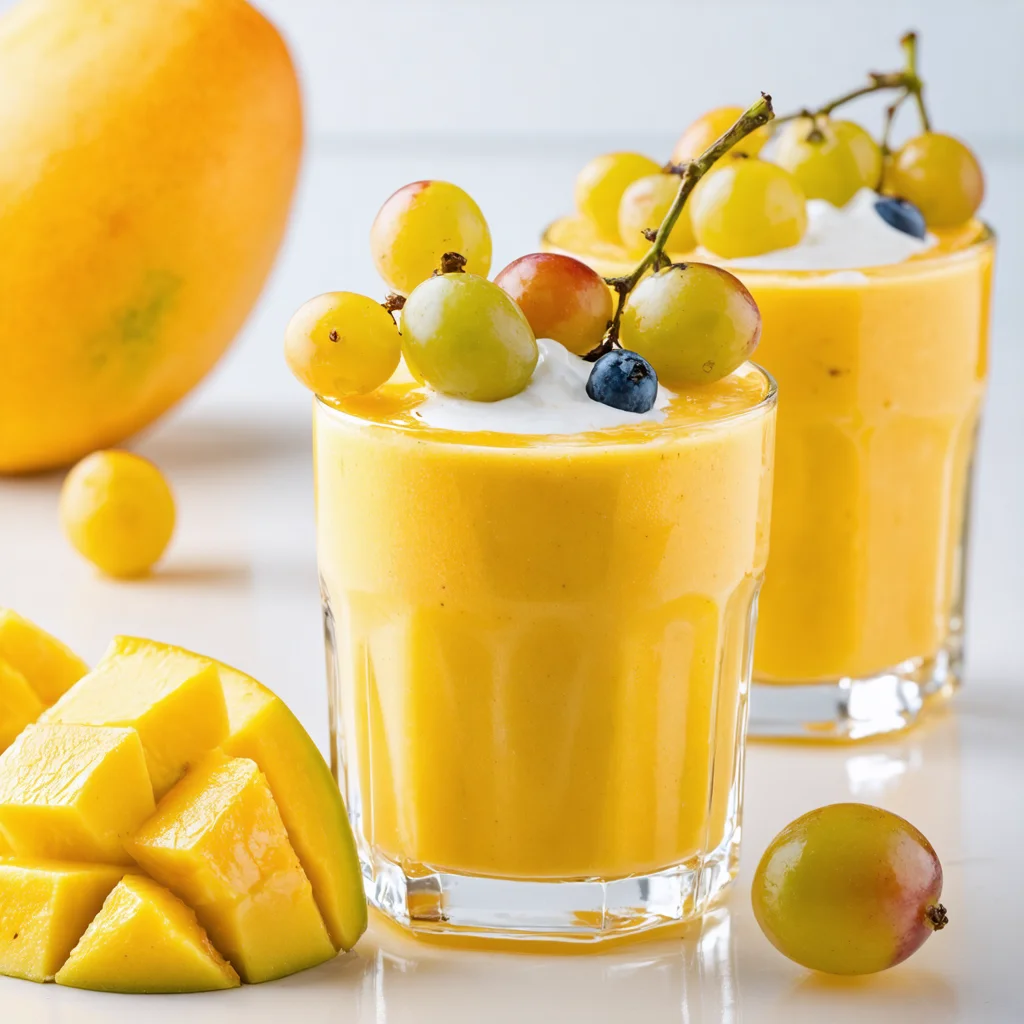
Mistakes to avoid
Creating the perfect mango smoothie requires attention to detail. These common pitfalls can turn your tropical treat into a disappointing drink.
Using Unripe Mangoes
Selecting hard, unripe mangoes will result in a tart, fibrous smoothie lacking sweetness. Choose mangoes that yield slightly to gentle pressure and have a sweet aroma near the stem. Ripe mangoes should have vibrant color and give off a tropical fragrance. If your mangoes aren’t ready, let them ripen at room temperature for 2-3 days before blending your mango smoothie.
Adding Too Much Liquid
Pouring excessive liquid creates a thin, watery consistency that dilutes the rich mango flavor. Start with minimal liquid and gradually add more while blending. The ideal ratio is approximately 1 cup of frozen mango to ¼ cup of liquid. This maintains the creamy texture that makes a great smoothie. Remember, you can always add more liquid, but removing excess is impossible once blended.
Skipping the Freezing Step
Using room temperature ingredients produces a warm, thin smoothie that lacks the refreshing quality expected from this tropical drink. Freeze mango chunks for at least 2 hours before blending. Frozen fruit creates the thick, creamy consistency while keeping your drink perfectly chilled. This step is crucial for achieving that restaurant-quality texture at home.
Tips and tricks
Master these professional techniques to create consistently delicious mango smoothies that rival your favorite café creations.
Perfect Mango Preparation
Score the mango flesh in a crosshatch pattern while still attached to the skin, then scoop out cubes with a spoon. This method prevents waste and creates uniform pieces for even blending. Remove any fibrous strings that cling to the fruit, as these can create an unpleasant texture in your finished smoothie. For easier blending, cut mangoes into smaller chunks before freezing. Store prepared mango pieces in freezer bags with dates labeled for freshness. Fresh mangoes can be frozen for up to six months without losing flavor quality. This preparation method saves time during busy mornings while guaranteeing perfectly portioned ingredients for your mango smoothie.
Balancing Sweetness Naturally
Different mango varieties have varying sweetness levels, so taste your fruit before blending. Tommy Atkins mangoes tend to be less sweet than Honey or Kent varieties. Add natural sweeteners like dates, honey, or maple syrup gradually while blending. Start with one pitted date or one teaspoon of liquid sweetener, then adjust to taste. Frozen banana adds natural sweetness while creating extra creaminess without overpowering the mango flavor. The banana’s mild taste complements tropical fruits perfectly. For those avoiding added sugars, choose the ripest mangoes available and pair them with naturally sweet fruits like pineapple or orange juice. Remember that frozen fruits often taste less sweet than fresh, so slight adjustments may be necessary.
Achieving Restaurant-Quality Texture
High-speed blending is essential for smooth, creamy results. Blend on high speed for 60-90 seconds, stopping to scrape down sides if needed. Add liquid gradually while blending to control consistency. For extra richness, include a tablespoon of Greek yogurt or coconut cream. This adds protein while maintaining the tropical flavor profile. If your blender struggles with frozen fruit, let ingredients sit for 2-3 minutes to soften slightly. Professional tip: add a pinch of salt to brighten flavors and make the mango taste more vibrant. The salt doesn’t make the smoothie salty but rather balances the sweetness and brings out the natural fruit flavors in your mango smoothie creation.
Suggestions for Mango Smoothie
Transform your basic mango smoothie into exciting variations with these creative additions and serving ideas.
Tropical Fruit Combinations
Blend mango with pineapple and coconut milk for a piña colada-inspired smoothie. Add passion fruit pulp for tangy complexity that pairs beautifully with mango’s sweetness. Papaya creates a creamy, mild combination perfect for those who prefer subtle flavors. For a refreshing twist, include fresh lime juice and mint leaves. These additions create depth while maintaining the tropical theme. Consider adding dragon fruit for visual appeal and mild sweetness, or kiwi for a tart contrast that brightens the overall flavor profile.
Protein-Packed Variations
Transform your mango smoothie into a complete meal by adding protein powder, Greek yogurt, or silken tofu. Vanilla protein powder complements mango naturally without overwhelming the fruit flavor. For plant-based options, try hemp seeds or almond butter, which add healthy fats and protein while creating extra creaminess. Chia seeds provide omega-3 fatty acids and create a pudding-like texture when allowed to sit for 10 minutes after blending. These additions make your smoothie more satisfying and nutritionally balanced for breakfast or post-workout recovery.
Seasonal Adaptations
During summer, add cucumber and mint for a cooling effect that’s perfect for hot days. In fall, incorporate warming spices like cinnamon, ginger, or cardamom to create a cozy flavor profile. Winter calls for citrus additions like orange juice or lemon zest to brighten the tropical flavors. Spring variations might include fresh herbs like basil or cilantro for unexpected complexity. These seasonal touches keep your mango smoothie interesting year-round while working with ingredients that are at their peak during different times of the year.
FAQs
Can I make a mango smoothie without yogurt?
Absolutely! Create a delicious mango smoothie using coconut milk, almond milk, or regular milk as your liquid base. Frozen banana adds natural creaminess that mimics yogurt’s texture while providing additional sweetness. For richness, try coconut cream or cashew cream. These alternatives work perfectly for dairy-free diets while maintaining the smooth, creamy consistency you want. The key is using frozen mango to achieve proper thickness without relying on yogurt’s natural density.
How long does a mango smoothie stay fresh?
Fresh mango smoothies maintain optimal quality for 24-48 hours when stored in the refrigerator in an airtight container. The smoothie may separate naturally, but simply stir or shake before drinking. For best flavor, consume within 24 hours as the fruit begins to oxidize and lose vibrancy. Adding a splash of lemon or lime juice helps preserve color and freshness. Freezing portions in ice cube trays allows you to blend individual servings later, maintaining quality for up to three months.
What’s the best mango variety for smoothies?
Kent and Honey mangoes are ideal for smoothies due to their exceptional sweetness and creamy texture. These varieties have minimal fiber, creating silky smooth results. Ataulfo mangoes, though smaller, offer intense flavor and natural sweetness perfect for blending. Tommy Atkins mangoes work well but may require additional sweetener due to their more tart profile. Choose mangoes that yield slightly to pressure and emit a sweet aroma. Ripe mangoes blend more easily and provide better flavor than underripe fruit, regardless of variety selected.
Can I add vegetables to my mango smoothie?
Yes! Spinach and kale blend seamlessly into mango smoothies without affecting taste while boosting nutritional content significantly. The mango’s strong flavor masks any vegetable taste completely. Carrots add natural sweetness and beta-carotene, complementing mango’s tropical profile beautifully. Cucumber provides hydration and a refreshing quality perfect for summer drinks. Start with small amounts and gradually increase to find your preferred balance. These additions create nutrient-dense smoothies that taste purely like tropical fruit while delivering extra vitamins and minerals for optimal health benefits.
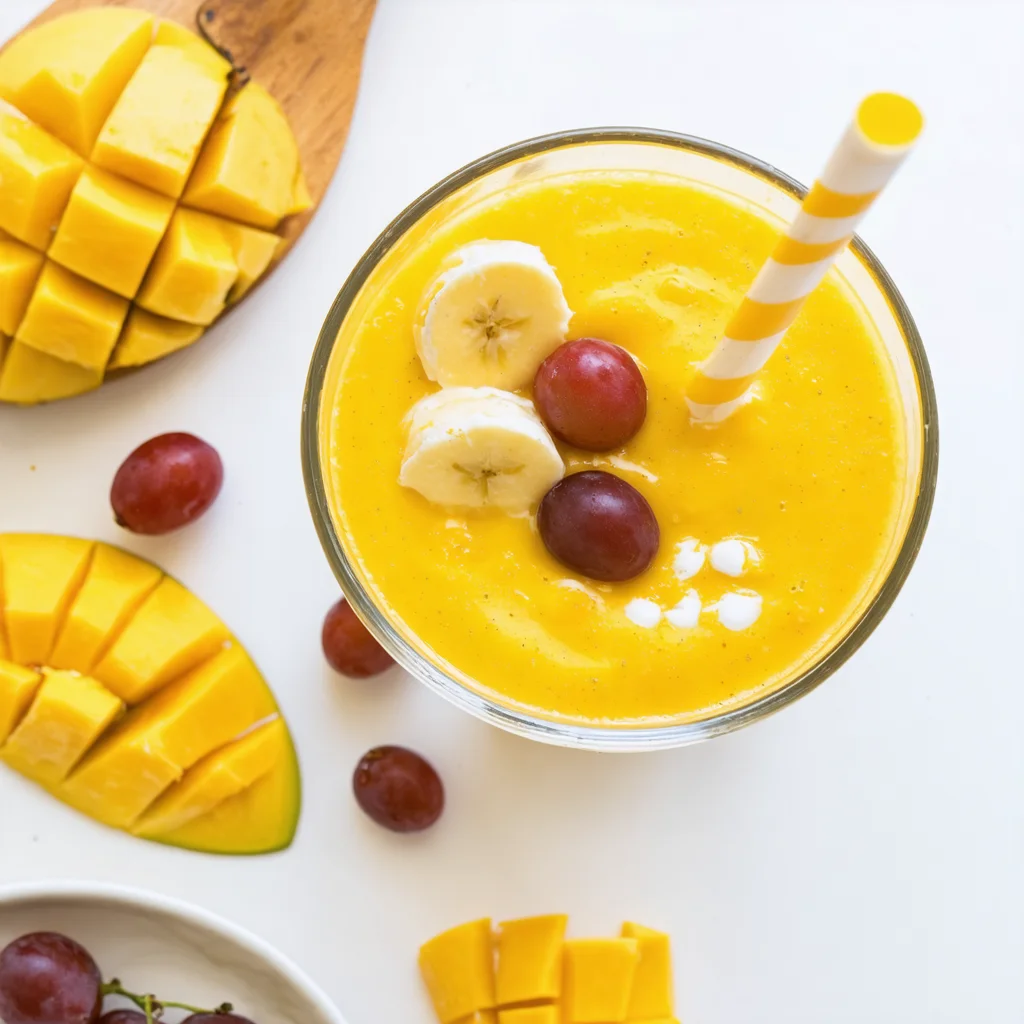
Summary
Creating the perfect mango smoothie requires selecting ripe fruit, proper preparation techniques, and balanced ingredients. Avoid common mistakes like using unripe mangoes or adding excessive liquid. Master the art of texture by freezing ingredients and blending at high speeds. Experiment with tropical combinations, protein additions, and seasonal variations to keep your smoothies exciting. Whether you prefer fruity treats or need healthy breakfast options, these techniques guarantee consistently delicious results. Remember that quality ingredients and proper technique create restaurant-worthy smoothies at home every time.
Mango Smoothie
Naturally sweet, refreshing, and creamy! This simple, vibrant smoothie blends frozen mango, banana, and Greek yogurt for a delicious antioxidant-rich treat in 5 minutes.
Ingredients
- 1½ cups frozen mango chunks
- 1 medium ripe banana, sliced
- ½ cup plain Greek yogurt
- ½ cup coconut milk (or milk of choice)
- 1 tablespoon honey or maple syrup (optional, to taste)
- 1 tablespoon fresh lime juice
- ¼ teaspoon vanilla extract
- ½ cup ice cubes (optional, for thicker consistency)
Instructions
- Add the frozen mango chunks and sliced banana to your blender first, as these will help weigh down the other ingredients for better blending.
- Pour in the Greek yogurt, coconut milk, lime juice, and vanilla extract. If you prefer a sweeter smoothie, add honey or maple syrup to taste.
- Blend on high speed for 60-90 seconds until completely smooth and creamy. The mixture should have a thick, milkshake-like consistency with no visible chunks.
- Taste and adjust sweetness or add more liquid if needed for your preferred consistency. For a thicker smoothie, add ice cubes and blend for an additional 30 seconds.
- Pour immediately into two glasses and serve with a straw. Garnish with fresh mango slices or a lime wedge if desired.
Tools You’ll Need
- High-speed blender or food processor
- Measuring cups and spoons
- Two serving glasses
- Knife for slicing banana
Notes
- Using frozen mango creates the perfect thick, creamy texture without needing too much ice, which can water down the flavor.
- For the creamiest results, use a very ripe banana with brown spots – it will blend smoother and add natural sweetness.
- This smoothie is best enjoyed immediately, but can be stored in the refrigerator for up to 24 hours. Stir well before serving as separation is natural.
- For a tropical twist, substitute coconut milk with pineapple juice, or add a handful of spinach for extra nutrients without affecting the taste.
Allergy Information
- Contains: Dairy (Greek yogurt)
- Optional Substitutions: Use coconut yogurt or silken tofu instead of Greek yogurt for dairy-free version. Replace honey with maple syrup for vegan option.
Nutrition Facts (Per Serving)
- Calories: ~185 kcal
- Protein: 8g
- Carbohydrates: 35g
- Fat: 4g
- Fiber: 4g
- Sodium: 35mg