

Introduction
Your social media feed is flooded with them: protein pancakes for breakfast, protein smoothie bowls for lunch, and protein-packed dinner bowls that promise to transform your health. You’ve watched friends rave about their energy levels and weight loss success, but you’re wondering if jumping on the high-protein recipe bandwagon is actually good for you.
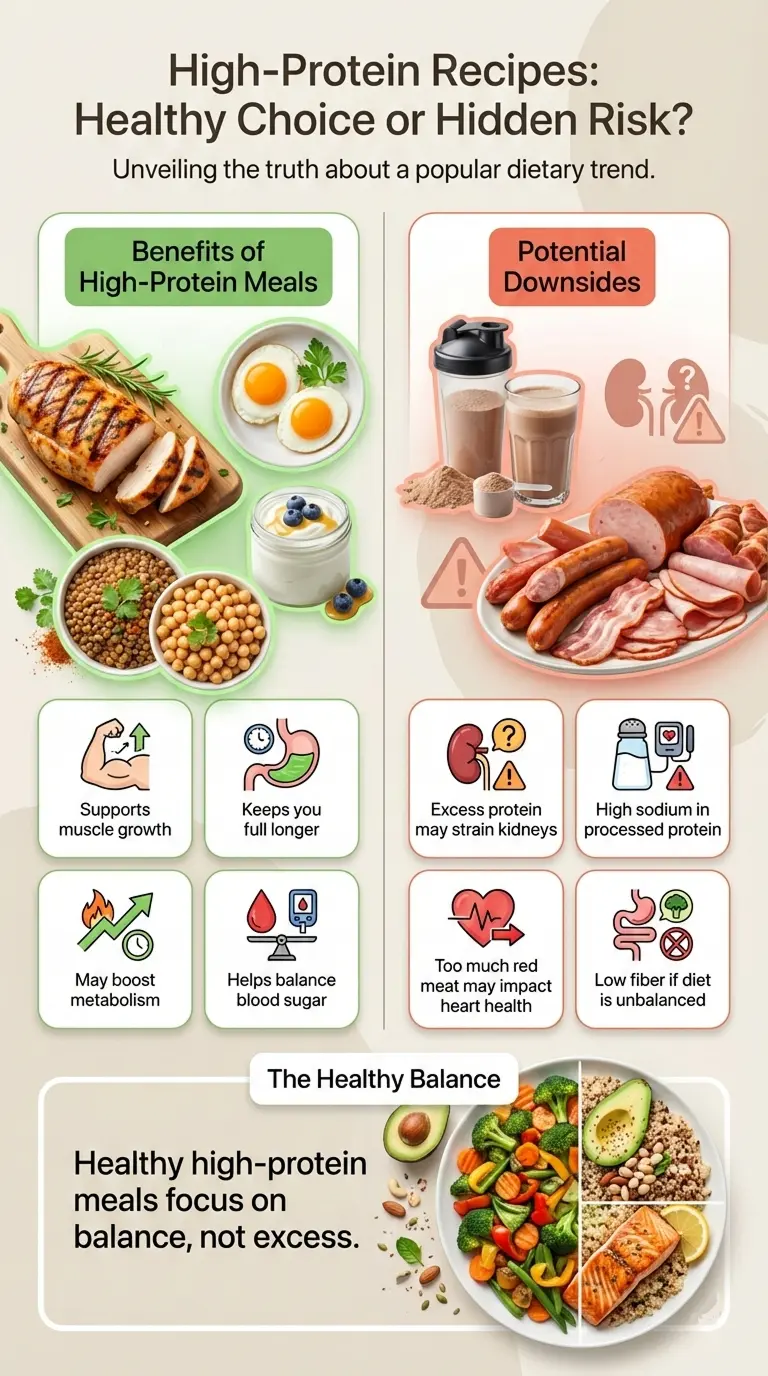
The truth is, the rise of high-protein recipes has created both incredible success stories and some concerning misconceptions. While protein is essential for your health, the “more is always better” mentality isn’t necessarily accurate for everyone. You need to understand what high-protein eating really means for your body, your goals, and your long-term health.
This guide will help you navigate the world of high-protein recipes with confidence. You’ll learn exactly how much protein you need, which high-protein approaches work best for different goals, and how to spot the difference between genuinely healthy protein recipes and those that might be doing more harm than good. By the end, you’ll know exactly how to make high-protein eating work for your unique situation.
Key Takeaways
- Most adults need 0.8-1.2 grams of protein per kilogram of body weight daily, while active individuals may need 1.2-2.0 grams per kilogram for optimal results.
- High-protein recipes can support weight loss by increasing satiety and preserving muscle mass during calorie restriction, but only when combined with appropriate calorie control.
- Plant-based high-protein recipes require strategic combining of incomplete proteins to ensure you get all nine essential amino acids your body needs.
- Consuming more than 2.5 grams of protein per kilogram of body weight daily can strain your kidneys and may lead to nutrient imbalances if maintained long-term.
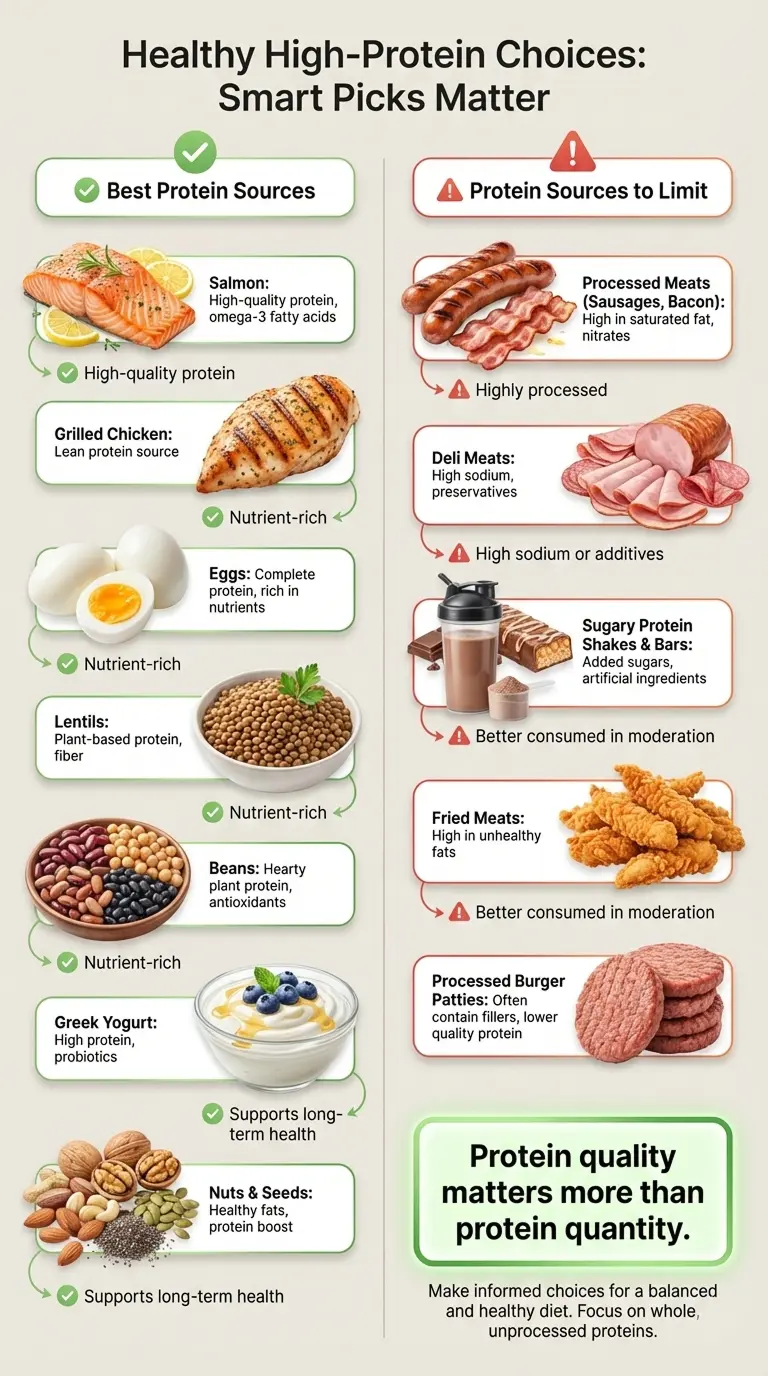
- The best high-protein recipes include whole food sources like lean meats, fish, eggs, legumes, and dairy rather than relying heavily on protein powders and processed foods.
- Timing protein intake throughout the day (20-30 grams per meal) is more effective for muscle synthesis than consuming large amounts in single servings.
- High-protein diets work best when they replace refined carbohydrates and unhealthy fats, not when they simply add extra calories to your existing diet.
- Quality matters more than quantity – choose complete proteins with high biological value and pair them with fiber-rich vegetables and healthy fats for balanced nutrition.
High-Protein Recipes Explained
Understanding High-Protein Nutrition
High-protein recipes typically contain 20-40 grams of protein per serving, compared to standard recipes that might have 5-15 grams. But protein content alone doesn’t determine whether a recipe is healthy. The quality of protein sources, overall nutrient balance, and how the recipe fits into your daily eating pattern all matter significantly.
Your body uses protein for muscle repair, hormone production, immune function, and maintaining healthy skin, hair, and nails. When you eat protein, your body breaks it down into amino acids – the building blocks it needs for these essential functions. Not all proteins are created equal, which is why understanding protein quality is crucial.
- Complete proteins: Contain all nine essential amino acids your body can’t produce on its own, found in animal products, quinoa, and soy
- Incomplete proteins: Missing one or more essential amino acids, typically found in plant sources like beans, nuts, and grains
- Biological value: Measures how efficiently your body can use a protein source, with eggs scoring highest at 100 and most plant proteins scoring 50-80
Quick Reference: Protein Content Comparison
| Food Source | Protein per 100g | Complete/Incomplete | Biological Value |
|---|---|---|---|
| Chicken breast | 31g | Complete | 79 |
| Eggs | 13g | Complete | 100 |
| Greek yogurt | 10g | Complete | 84 |
| Black beans | 9g | Incomplete | 68 |
| Quinoa | 4.4g | Complete | 73 |
High-Protein Recipe Approaches: Detailed Guide
1. Whole Food High-Protein Recipes – The Foundation Approach
Best for: People seeking sustainable, long-term nutrition improvements and those who prefer minimally processed foods
What you need: Fresh lean meats, fish, eggs, dairy products, legumes, nuts, seeds, and whole grains
Step-by-step approach:
- Plan each meal around a primary protein source providing 20-30 grams of protein (4 oz chicken breast, 3 eggs, 1 cup Greek yogurt)
- Add complementary proteins through sides like quinoa, beans, or nuts to boost total protein by 5-10 grams per meal
- Fill half your plate with non-starchy vegetables to ensure adequate fiber and micronutrients
- Include healthy fats from sources like avocado, olive oil, or nuts to support hormone production and nutrient absorption
Why it works: Whole foods provide protein alongside essential vitamins, minerals, and fiber that your body needs for optimal protein utilization. This approach naturally regulates appetite and supports long-term health.
Pro tips:
- Batch cook proteins on Sunday to make weekday meal assembly faster – grill 2-3 pounds of chicken, hard-boil a dozen eggs, and prepare 2 cups of dried beans
- Avoid relying on a single protein source for more than 50% of your daily intake to prevent nutrient gaps and food sensitivities
- Combine incomplete plant proteins within 24 hours (not necessarily the same meal) to ensure amino acid completeness
2. Protein Powder-Enhanced Recipes – The Convenience Approach
Best for: Busy individuals, athletes with high protein needs, and those struggling to meet protein goals through whole foods alone
What you need: High-quality protein powder (whey, casein, or plant-based), blender, and base ingredients like fruits, vegetables, oats, or nut butters
Step-by-step approach:
- Choose a protein powder with at least 20 grams of protein per serving and minimal added sugars (less than 5 grams per serving)
- Create balanced recipes by combining 1 scoop protein powder with 1-2 servings of fruits or vegetables and healthy fats
- Use protein powder to boost existing recipes rather than replacing whole food meals entirely
- Limit protein powder to 1-2 servings daily, making up no more than 40% of your total protein intake
Why it works: Protein powders offer concentrated, easily digestible protein that’s quickly absorbed by your muscles. They’re particularly effective post-workout when your body needs rapid amino acid delivery.
Pro tips:
- Look for third-party tested protein powders to ensure purity and avoid contamination with heavy metals or banned substances
- Blend protein powder with frozen fruits and vegetables to mask any chalky texture while adding fiber and micronutrients
- Choose plant-based protein blends (pea + rice + hemp) rather than single-source plant proteins for better amino acid profiles
3. Mediterranean High-Protein Recipes – The Heart-Healthy Approach
Best for: People with cardiovascular concerns, those seeking anti-inflammatory benefits, and individuals who enjoy varied, flavorful meals
What you need: Fish, seafood, legumes, Greek yogurt, eggs, olive oil, nuts, seeds, and plenty of vegetables
Step-by-step approach:
- Plan 2-3 fish-based meals weekly using fatty fish like salmon, sardines, or mackerel for omega-3 fatty acids
- Include legume-based meals 2-3 times weekly, combining beans or lentils with whole grains for complete proteins
- Use Greek yogurt as a protein-rich base for breakfast bowls, smoothies, and savory sauces
- Incorporate nuts and seeds as protein boosters in salads, grain bowls, and snacks
Why it works: This approach combines high-quality proteins with anti-inflammatory fats and antioxidant-rich vegetables, supporting both muscle health and cardiovascular wellness.
Pro tips:
- Buy canned fish in water rather than oil to control added calories while maintaining protein content
- Soak dried legumes overnight and batch cook them to reduce antinutrients and improve digestibility
- Use tahini, almond butter, or Greek yogurt as creamy sauce bases instead of heavy cream to boost protein while reducing saturated fat
4. Plant-Based High-Protein Recipes – The Sustainable Approach
Best for: Vegans, vegetarians, environmentally conscious eaters, and those with dairy or meat sensitivities
What you need: Legumes, quinoa, hemp seeds, nutritional yeast, tofu, tempeh, seitan, and plant-based protein powders
Step-by-step approach:
- Combine complementary proteins at each meal: beans with grains, nuts with seeds, or soy products with other plant proteins
- Aim for 25-30 grams of plant protein per meal to account for lower biological value compared to animal proteins
- Include fermented soy products like tempeh and miso for better protein digestibility and B-vitamin content
- Use nutritional yeast as a protein and B12 booster in sauces, dressings, and grain dishes
Why it works: Plant proteins come packaged with fiber, antioxidants, and phytonutrients that support overall health while providing sustainable protein sources.
Pro tips:
- Sprout legumes and grains when possible to increase protein digestibility and reduce antinutrients by 20-30%
- Combine lysine-rich foods (legumes) with methionine-rich foods (grains, nuts, seeds) to create complete protein profiles
- Press and marinate tofu for 30+ minutes to improve texture and flavor while maintaining its 10 grams of protein per 3-ounce serving
5. Keto-Friendly High-Protein Recipes – The Low-Carb Approach
Best for: People following ketogenic diets, those with insulin resistance, and individuals seeking rapid weight loss
What you need: Fatty fish, grass-fed meats, eggs, full-fat dairy, avocados, nuts, seeds, and low-carb vegetables
Step-by-step approach:
- Keep carbohydrates under 20-30 grams daily while maintaining 20-25% of calories from protein
- Choose fattier protein sources like salmon, ribeye steak, and whole eggs to meet fat requirements
- Use MCT oil or coconut oil in protein smoothies to support ketosis while adding calories
- Focus on above-ground vegetables that provide fiber without excess carbohydrates
Why it works: High protein intake helps preserve muscle mass during the metabolic shift to ketosis while promoting satiety and stable blood sugar levels.
Pro tips:
- Monitor protein intake carefully – too much can kick you out of ketosis through gluconeogenesis, while too little can cause muscle loss
- Include organ meats once weekly for nutrient density, as they provide vitamins often lacking in standard keto approaches
- Use electrolyte supplementation when increasing protein intake on keto to prevent cramping and fatigue
How to Choose the Right High-Protein Approach for Your Needs
Step 1: Assess Your Activity Level and Goals
Your protein needs vary significantly based on your lifestyle and objectives. Sedentary individuals need less protein than athletes, while people trying to lose weight may benefit from higher protein intake to preserve muscle mass.
- If you’re sedentary or lightly active: Aim for 0.8-1.0 grams per kilogram of body weight because your muscle repair needs are lower
- If you exercise regularly: Target 1.2-1.6 grams per kilogram to support recovery and muscle maintenance
- If you’re an athlete or trying to build muscle: Consider 1.6-2.2 grams per kilogram for optimal muscle protein synthesis
Step 2: Consider Your Digestive Health and Food Preferences
Your digestive system’s ability to process different protein sources affects which approach will work best for you long-term.
- If you have digestive issues: Start with easily digestible proteins like eggs, fish, and well-cooked legumes while avoiding protein powders initially
- If you have food allergies: Choose plant-based approaches or carefully selected animal proteins that don’t trigger your sensitivities
- If you prefer convenience: Protein powder-enhanced recipes might work well, but ensure they don’t replace more than 40% of your whole food protein intake
Step 3: Evaluate Your Budget and Time Constraints
Sustainable nutrition plans must fit your lifestyle and financial situation to be effective long-term.
- If budget is tight: Focus on economical proteins like eggs, canned fish, dried legumes, and chicken thighs rather than expensive cuts or specialty products
- If time is limited: Batch cooking and protein powder recipes can help you meet your goals without extensive daily meal preparation
- If you enjoy cooking: Whole food approaches with varied protein sources will likely provide the most satisfaction and nutritional benefits
High-Protein Recipe Recommendations by Goal
For Weight Loss
Best choice: Whole food high-protein recipes with 25-30 grams protein per meal, emphasizing lean sources
Why: Protein increases satiety, boosts metabolism through thermic effect, and preserves muscle mass during calorie restriction
Pro tip: Start each meal with your protein source to naturally reduce overall calorie intake and improve portion control
For Muscle Building
Best choice: Combination approach using whole foods plus strategic protein powder supplementation post-workout
Why: You need consistent amino acid availability throughout the day, with rapid delivery after training sessions
Pro tip: Consume 20-30 grams of fast-digesting protein within 30 minutes post-workout, then continue with whole food proteins throughout the day
For Heart Health
Best choice: Mediterranean high-protein approach emphasizing fish, legumes, and plant-based proteins
Why: This pattern provides protein while supporting cardiovascular health through omega-3 fatty acids and anti-inflammatory compounds
Pro tip: Replace red meat with fish or legumes for at least 4 meals per week to maximize heart health benefits
For Digestive Sensitivity
Best choice: Gentle whole food proteins like eggs, fish, and well-cooked plant proteins, avoiding processed options
Why: Whole foods are easier to digest and less likely to cause inflammation or digestive distress
Pro tip: Introduce new protein sources gradually, adding one new option every 3-4 days to identify any triggers
For Busy Lifestyles
Best choice: Strategic use of protein powders combined with simple whole food preparations
Why: This approach provides nutrition efficiency without requiring extensive meal preparation time
Pro tip: Prepare protein-rich mason jar salads and overnight oats on Sunday for grab-and-go options throughout the week
For Environmental Concerns
Best choice: Plant-based high-protein recipes with occasional sustainable seafood or locally-sourced eggs
Why: Plant proteins have significantly lower environmental impact while still meeting nutritional needs when properly planned
Pro tip: Focus on local, seasonal legumes and grains to minimize transportation impact while maximizing freshness and nutrition
Expert Tips for High-Protein Recipe Success
Distribute Protein Throughout the Day
Your body can only use about 20-30 grams of protein for muscle synthesis at one time. Eating 60 grams at dinner won’t make up for skipping protein at breakfast and lunch. Instead, aim for roughly equal protein distribution across your meals to maintain steady amino acid levels in your bloodstream.
This approach maximizes muscle protein synthesis and helps maintain stable energy levels throughout the day. Research shows that spreading protein intake evenly can increase muscle building by up to 25% compared to uneven distribution patterns.
Pair Protein with Fiber-Rich Foods
High-protein meals without adequate fiber can lead to digestive issues and may not provide the satiety benefits you’re seeking. Include at least 10-15 grams of fiber with each high-protein meal through vegetables, fruits, whole grains, or legumes.
This combination slows digestion, leading to better blood sugar control and longer-lasting fullness. The fiber also supports beneficial gut bacteria that help your body better utilize the protein you’re consuming.
Don’t Neglect Healthy Fats
Many people focus so intensely on protein that they forget about essential fatty acids. Include 1-2 tablespoons of healthy fats like olive oil, avocado, nuts, or seeds with your high-protein meals to support hormone production and nutrient absorption.
Fat-soluble vitamins A, D, E, and K require dietary fat for absorption, and many of these vitamins are crucial for protein metabolism and muscle function. Without adequate fat intake, you might not get the full benefits of your high-protein approach.
Stay Hydrated When Increasing Protein Intake
Processing protein requires more water than metabolizing carbohydrates or fats. When you increase your protein intake, aim for an additional 8-16 ounces of water daily to support kidney function and prevent dehydration.
Signs that you need more water include darker urine, fatigue, or constipation when starting a higher-protein eating pattern. Proper hydration also helps your kidneys efficiently process and eliminate protein waste products.
Quality Over Quantity Always Wins
A meal with 20 grams of high-quality, complete protein will serve your body better than 35 grams of low-quality, incomplete protein. Focus on protein sources with high biological values and complete amino acid profiles rather than simply chasing higher numbers.
This means choosing grass-fed meats, wild-caught fish, pasture-raised eggs, and organic dairy when possible. These sources provide better nutrient profiles and are free from hormones and antibiotics that could interfere with your health goals.
Time Your Protein Around Workouts
If you exercise regularly, consuming 15-25 grams of protein within 30 minutes after your workout can significantly improve recovery and muscle adaptation. This post-workout window is when your muscles are most receptive to amino acids.
Pre-workout protein (consumed 1-2 hours before exercise) can also be beneficial, providing amino acids that prevent muscle breakdown during intense training sessions. A small protein snack 30-60 minutes before bed supports overnight muscle recovery.
Monitor Your Body’s Response
Keep track of how you feel on different protein levels and sources. Some people thrive on higher protein intakes, while others feel better with moderate amounts. Pay attention to energy levels, digestion, sleep quality, and workout performance.
If you experience persistent fatigue, digestive issues, or decreased performance after increasing protein intake, you may need to adjust your approach. Consider working with a registered dietitian to find your optimal protein level and sources.
Don’t Forget About Micronutrients
High-protein recipes should enhance your overall nutrition, not replace nutrient-dense foods. Ensure your high-protein meals include colorful vegetables, fruits, and whole grains to provide the vitamins and minerals your body needs for optimal protein utilization.
B vitamins, magnesium, and zinc are particularly important for protein metabolism. Iron helps transport oxygen to working muscles, while vitamin C aids in collagen synthesis. A varied, colorful diet naturally provides these essential nutrients.
Plan for Social Situations
High-protein eating shouldn’t isolate you from social activities. Research restaurant menus in advance, offer to bring a high-protein dish to gatherings, or eat a small protein-rich snack before social events to avoid feeling deprived.
Having strategies for dining out, traveling, and special occasions helps you maintain your protein goals without sacrificing your social life. Flexibility and planning are key to long-term success with any nutrition approach.
Consider Digestive Enzymes if Needed
Some people experience digestive discomfort when increasing protein intake, especially from plant sources or if they have compromised digestive function. Digestive enzymes containing protease can help break down proteins more efficiently.
Start with food-based approaches first: chew thoroughly, eat slowly, and consider fermented foods that naturally contain enzymes. If problems persist, consult with a healthcare provider about whether enzyme supplementation might be helpful for your situation.
Be Patient with Plant-Based Transitions
If you’re shifting to more plant-based proteins, your digestive system may need 2-4 weeks to adapt to higher fiber intake and different protein structures. Start gradually, increasing plant protein sources by 25% weekly while monitoring how you feel.
Soaking, sprouting, or fermenting plant proteins can improve digestibility and reduce gas or bloating. Cooking methods also matter – pressure cooking legumes and grains makes them easier to digest than other preparation methods.
Track Progress Beyond the Scale
High-protein eating affects your body in many ways that won’t show up on a scale. Track energy levels, sleep quality, workout performance, recovery time, hair and nail health, and overall mood to get a complete picture of how your protein intake is affecting you.
Take progress photos and body measurements, as increased protein intake often leads to body recomposition – gaining muscle while losing fat – which might not reflect in weight changes but will be visible in how you look and feel.
Frequently Asked Questions
How much protein is too much protein per day?
For most healthy adults, consuming more than 2.5 grams of protein per kilogram of body weight daily can strain your kidneys and may lead to nutrient imbalances. This translates to about 170 grams daily for a 150-pound person. Excessive protein intake can also displace other important nutrients and may contribute to dehydration.
If you have kidney disease, diabetes, or other health conditions, your safe upper limit may be lower. Always consult with a healthcare provider before significantly increasing your protein intake, especially if you’re considering amounts above 2.0 grams per kilogram of body weight.
Can I get enough protein from plant-based sources alone?
Yes, you can absolutely meet your protein needs through plant-based sources alone, but it requires more planning than omnivorous diets. You’ll need to combine different plant proteins throughout the day to ensure you get all essential amino acids. Focus on legumes, quinoa, hemp seeds, nutritional yeast, and soy products.
Plant-based athletes and bodybuilders successfully meet high protein requirements using strategic food combinations and plant-based protein powders. The key is eating a variety of protein sources and consuming slightly more total protein than you would with animal sources to account for lower biological values.
Should I drink protein shakes if I’m trying to lose weight?
Protein shakes can support weight loss when used strategically, but they’re not magic bullets. They work best as meal replacements or post-workout recovery drinks rather than additions to your existing calorie intake. A protein shake with 20-25 grams of protein and minimal added sugars can help control hunger and preserve muscle mass during weight loss.
However, whole food protein sources are generally more satisfying and provide additional nutrients. Use protein shakes for convenience when whole foods aren’t practical, but aim for them to comprise no more than 30-40% of your total daily protein intake.
What’s the best time to eat protein for muscle building?
While post-workout protein gets the most attention, spreading protein evenly throughout the day is more important for muscle building than timing around workouts. Aim for 20-30 grams of protein every 3-4 hours to maintain elevated amino acid levels in your bloodstream.
That said, consuming 15-25 grams of fast-digesting protein within 30-60 minutes after strength training can enhance recovery and muscle protein synthesis. A small protein serving before bed (15-20 grams of casein or Greek yogurt) can also support overnight muscle repair.
Are high-protein diets safe for people with kidney problems?
People with existing kidney disease should not follow high-protein diets without medical supervision. Damaged kidneys have difficulty processing protein waste products, and excessive protein can accelerate kidney damage. However, for people with healthy kidneys, moderate increases in protein intake are generally safe.
If you have any kidney concerns, diabetes, or high blood pressure, consult with your healthcare provider before increasing protein intake above 1.2 grams per kilogram of body weight. They may recommend blood tests to monitor kidney function if you choose to follow a higher-protein eating pattern.
Why do I feel bloated when I eat more protein?
Bloating from increased protein intake usually results from eating too much too quickly, not drinking enough water, or consuming protein sources that don’t agree with your digestive system. Protein requires more water for metabolism, and sudden increases can overwhelm your digestive capacity.
Try increasing protein gradually over 1-2 weeks, drink more water throughout the day, and consider digestive enzymes if needed. Plant proteins high in fiber may cause initial bloating that typically resolves as your gut bacteria adapt. If bloating persists, try different protein sources to identify potential sensitivities.
Can children and teenagers follow high-protein diets safely?
Growing children and teenagers need adequate protein for development, but “high-protein” diets designed for adults may not be appropriate. Young people typically need 0.85-1.2 grams of protein per kilogram of body weight, depending on their age and activity level.
Focus on providing varied, whole food protein sources rather than restricting other food groups or using protein supplements. Active teenage athletes may need slightly more protein, but this should come primarily from food rather than powders or bars. Always consult with a pediatrician or registered dietitian before making significant dietary changes for growing children.
Do I need to eat protein immediately after working out?
The post-workout “anabolic window” is less narrow than once believed. While consuming protein within 30-60 minutes after exercise can be beneficial, it’s not absolutely critical if you’re eating adequate protein throughout the day. Your total daily protein intake matters more than precise timing.
That said, post-workout protein can enhance recovery, especially after intense strength training or if you haven’t eaten protein in several hours before exercising. A simple approach is to have a balanced meal containing 20-30 grams of protein within 2 hours of your workout.
What’s the difference between whey and plant-based protein powders?
Whey protein is a complete protein with high biological value that’s quickly absorbed, making it ideal for post-workout recovery. It contains all essential amino acids in optimal ratios for muscle building. However, it’s derived from dairy and may cause digestive issues for people with lactose intolerance.
Plant-based protein powders often combine multiple sources (pea, rice, hemp) to create complete amino acid profiles. They’re easier to digest for many people and provide additional fiber and antioxidants. However, they may have slightly lower biological values and different textures compared to whey protein.
How do I know if I’m eating enough protein for my goals?
Track your protein intake for a few days using a food diary or app to establish your baseline. Then monitor how you feel: adequate protein should support stable energy, good recovery from exercise, healthy hair and nails, and appropriate satiety between meals.
For weight loss, aim for 1.2-1.6 grams per kilogram of body weight. For muscle building, target 1.6-2.2 grams per kilogram. If you’re maintaining weight and moderately active, 1.0-1.2 grams per kilogram is usually sufficient. Adjust based on your results and how you feel rather than following rigid numbers.
Conclusion
The rise of high-protein recipes reflects a genuine understanding that protein plays a crucial role in health, weight management, and athletic performance. However, the key to success isn’t simply adding more protein to your diet – it’s about choosing quality sources, timing your intake appropriately, and ensuring your high-protein approach supports your overall nutritional needs.
Remember that the healthiest high-protein recipes emphasize whole foods, include adequate fiber and healthy fats, and fit sustainably into your lifestyle. Whether you choose animal-based proteins, plant-based options, or a combination of both, focus on variety and quality rather than just hitting arbitrary protein numbers.
Your protein needs are unique to your body, activity level, and goals. What works for your friend or favorite fitness influencer may not be optimal for you. Start with the foundational approach of whole food proteins distributed throughout the day, then adjust based on how your body responds.
Take time to experiment with different high-protein recipes and approaches to find what you enjoy and can maintain long-term. Bookmark this guide for reference as you navigate your protein journey, and remember that small, consistent changes often produce better results than dramatic overhauls.
Your health is worth the effort to find the right balance, and with the information in this guide, you’re well-equipped to make high-protein recipes work for your unique situation and goals.